THE SHORT ANSWER
Rebuilding should follow a documented review of the moisture source, completed remediation and any project-specific verification requirements. Ask who confirms that the area is ready for the proposed construction. There is no universal waiting period or single test result that replaces that review.
Removal and reconstruction are different jobs
The remediation scope addresses the affected materials and cleanup. The reconstruction scope explains what will be restored after that work. Even when one company coordinates both, ask where one scope ends and the other begins.
For example, a cleanup invoice may document removed drywall but say nothing about the insulation, texture, baseboards or paint that will go back. A builder's estimate may assume the moisture repair has already been completed by another trade. Both documents can be accurate and still leave a gap.
Ask for a handoff conversation with the relevant parties before closing the area. It is easier to clarify responsibilities while the conditions are visible.
What caused the moisture, and what changed?
A plumbing leak, rain entry and repeated condensation are different problems. Ask for the identified cause and the work done to address it. 'The area was cleaned' is not an answer to that question.
EPA emphasizes that removing mold without correcting the moisture problem can leave the cause in place. Ask for the repair record and any remaining recommendations, then pass them to the reconstruction contractor.
If the source is still uncertain, discuss what investigation or specialist input is needed before the affected assembly is rebuilt. You can plan the finishes in the meantime, but keep the unresolved condition visible in the schedule.
Further reading: EPA: Why moisture problems must be corrected
What does a completed remediation handoff look like?
EPA's completion guidance includes correcting the moisture problem, completing the cleanup and checking that visible mold and moldy odors are absent. It also calls for follow-up attention to signs of water damage or renewed growth. Those are practical review points, not a promise that one document can guarantee future conditions.
Ask the remediation provider to explain its findings for the specific work area. If a separate consultant, insurer, agreement or local requirement sets verification steps, find out what those steps are and who completes them. Do not schedule the closing work around a signoff nobody has been assigned to obtain.
| Handoff item | Question to resolve |
|---|---|
| Moisture source | What was repaired or changed, and is any related work still open? |
| Affected areas | Which rooms, cavities and materials did the remediation cover? |
| Completion record | What work was done and what limitations or recommendations remain? |
| Verification | What inspection or testing does this project require, if any, and who reviews it? |
| Construction release | Who confirms the area is ready for the planned repairs? |
Further reading: EPA: Evaluating completed mold remediation
Does every project need a mold test?
No universal test requirement applies to every situation. EPA notes that sampling is often unnecessary when mold is already visible and that there are no federal airborne mold limits against which a building can simply 'pass.' Where sampling is useful, it should be designed and interpreted by a professional with relevant experience.
That does not mean you should ignore a verification requirement in your remediation agreement. Ask why a test is proposed, what question it is intended to answer and how its results affect the next step. A report should be read with the condition of the building and the scope of the work, not as a stand-alone guarantee.
Further reading: EPA: Mold testing and sampling
Document what is going back, layer by layer
Once the handoff is resolved, move into a construction discussion. Ask which framing, insulation, wallboard, underlayment, trim and cabinetry is included. Ask which existing materials are being kept and what preparation the selected finishes require.
Moisture resistance is one product characteristic. It is not a substitute for fixing a leak or choosing an assembly suited to the location. A dry living-room wall and the inside of a shower call for different details.
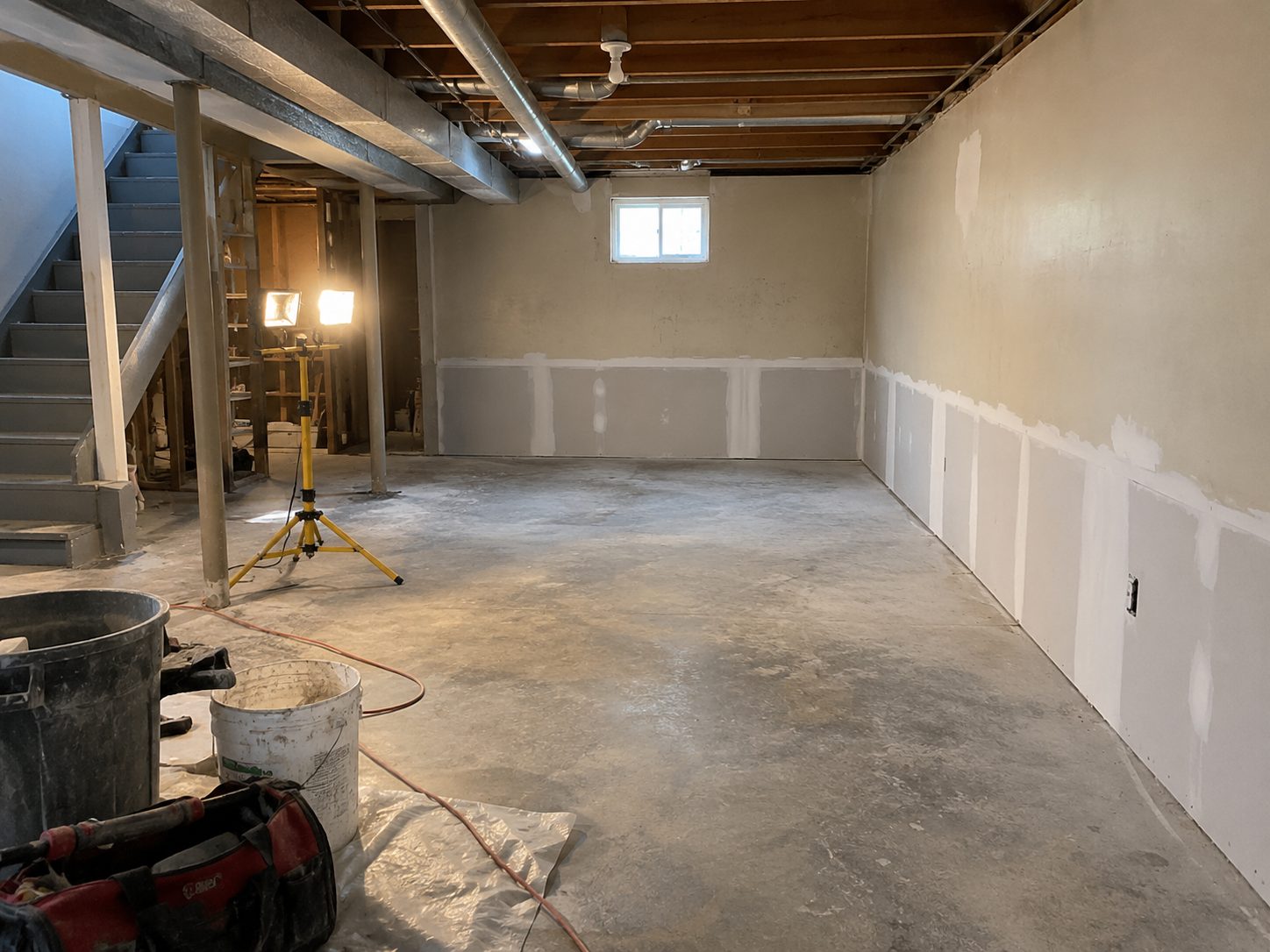
Include the finishing boundaries too. If remediation removed the bottom of a wall, ask how the new surface will meet the existing texture and paint. If flooring is discontinued, discuss the transition before you approve the order.
What if an odor or damp area returns during the rebuild?
Tell the project manager promptly and identify the exact location and timing. Ask the team to pause covering that affected area until the appropriate professional has evaluated it. A photo, a dated note and a description of when the condition appears are useful starting points.
Do not use new trim, caulk or paint to conceal an unresolved condition. The next action should address the finding and establish whether it changes the scope or the handoff.
If anyone has health concerns about occupying the property, discuss them with a qualified healthcare professional. A reconstruction contractor can explain the work; it cannot determine an individual's medical risk.
Bring the handoff documents to your estimate
Send the remediation summary, source-repair record and any consultant report you have. Add current photos and a list of the affected rooms. If something is missing, say so.
Green Planet can discuss the reconstruction after another company has completed mold removal. We will use the available information to discuss the repairs and prepare a written scope, with a dedicated project manager for the rebuild.
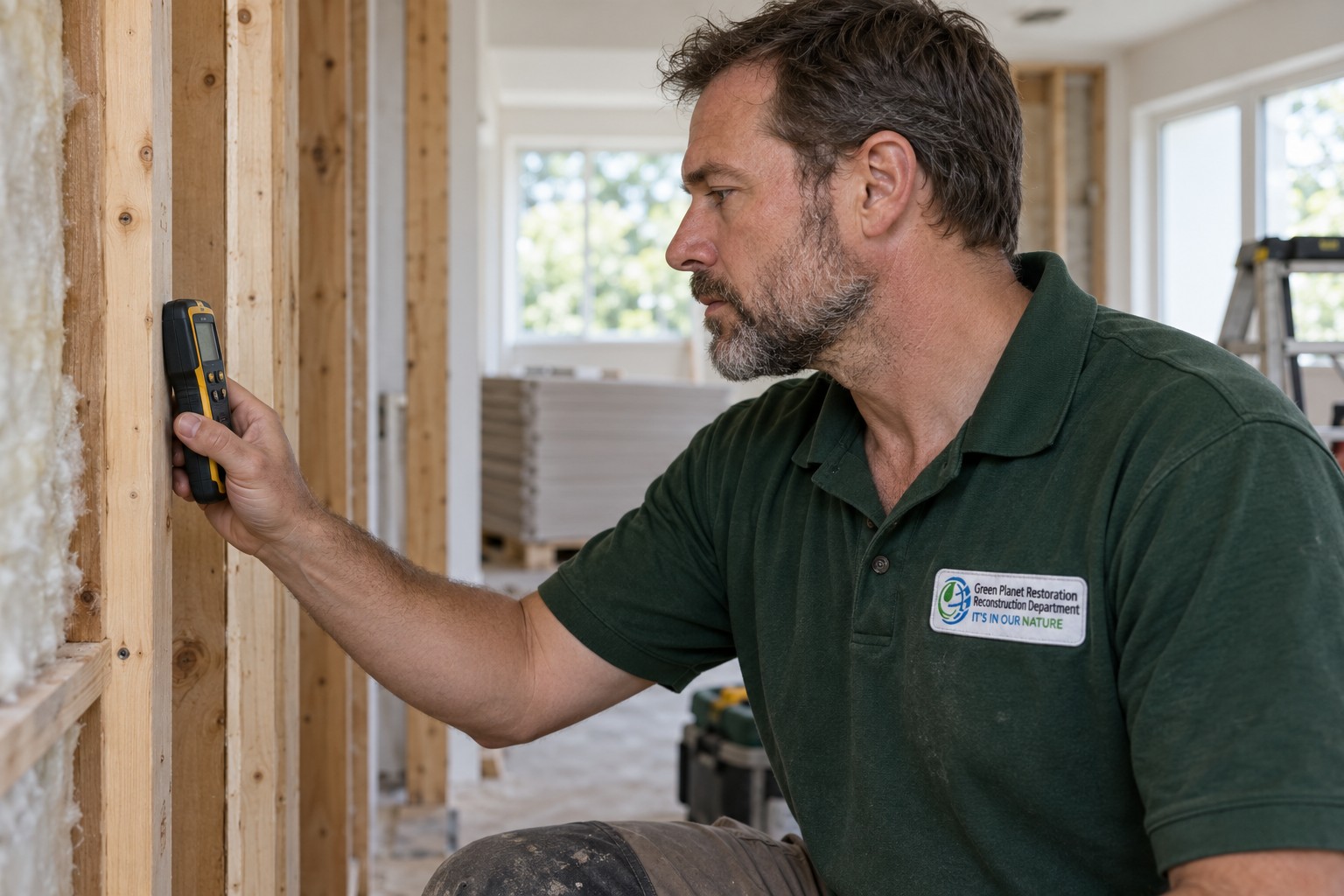
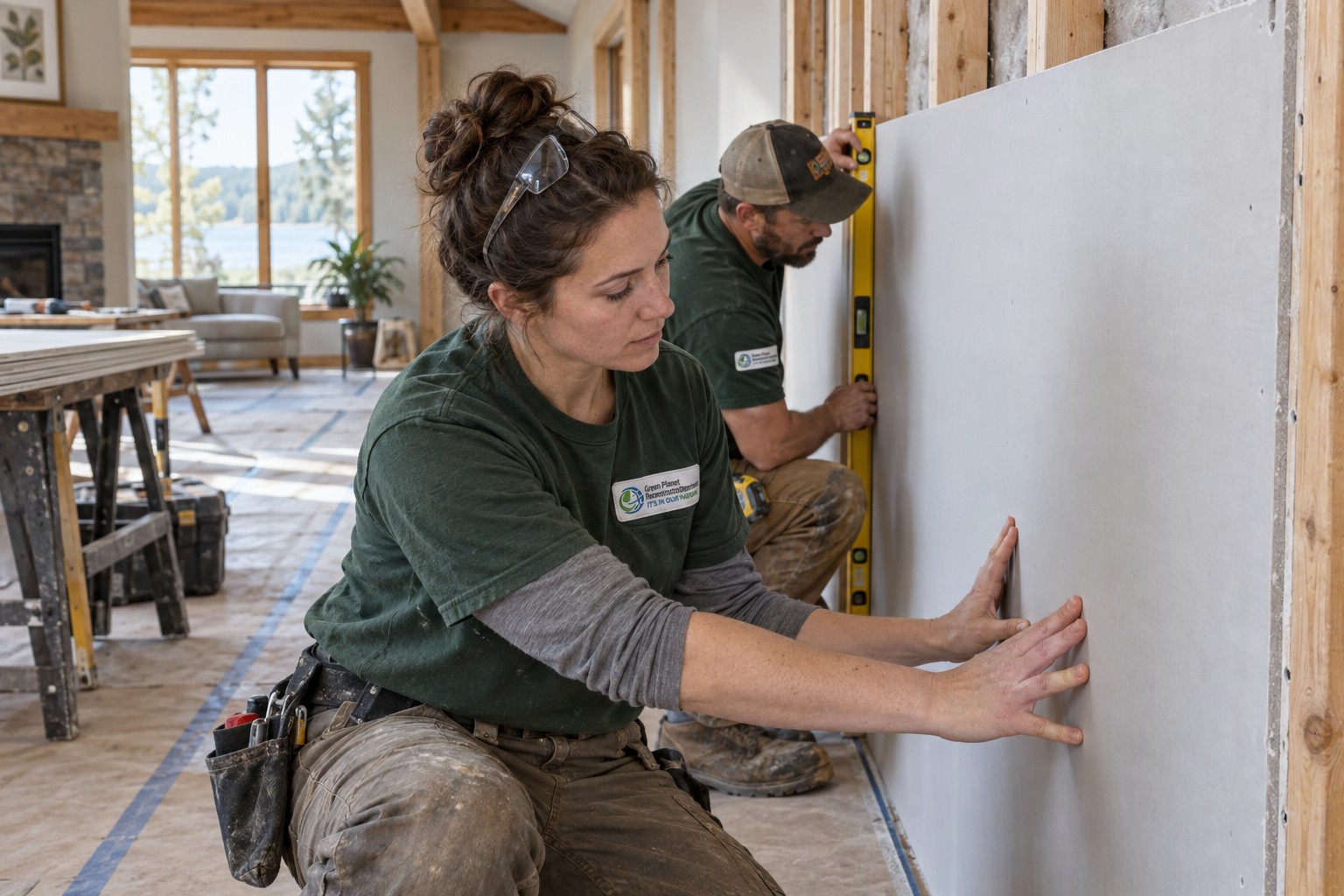
GREEN PLANET / THE WORK UP CLOSE
A closer look at the rebuild.
BEFORE YOU MOVE FORWARD
Common questions
How many days should I wait after mold removal?
A fixed waiting period does not establish readiness. Ask the remediation provider and reconstruction team which conditions and documents must be resolved for your particular work area.
Can mold-resistant drywall prevent every future problem?
No. Product selection is one part of the assembly. The moisture source, location, installation details and ongoing conditions still need to be addressed.
Can I get a rebuild estimate without all the reports?
You can start the conversation with the information you have. Ask which missing documents or findings the contractor needs before finalizing the scope or scheduling the affected work.
TAKE THIS TO YOUR NEXT CONVERSATION
A clear handoff tells the builder what was resolved, what remains and what can safely be covered next.
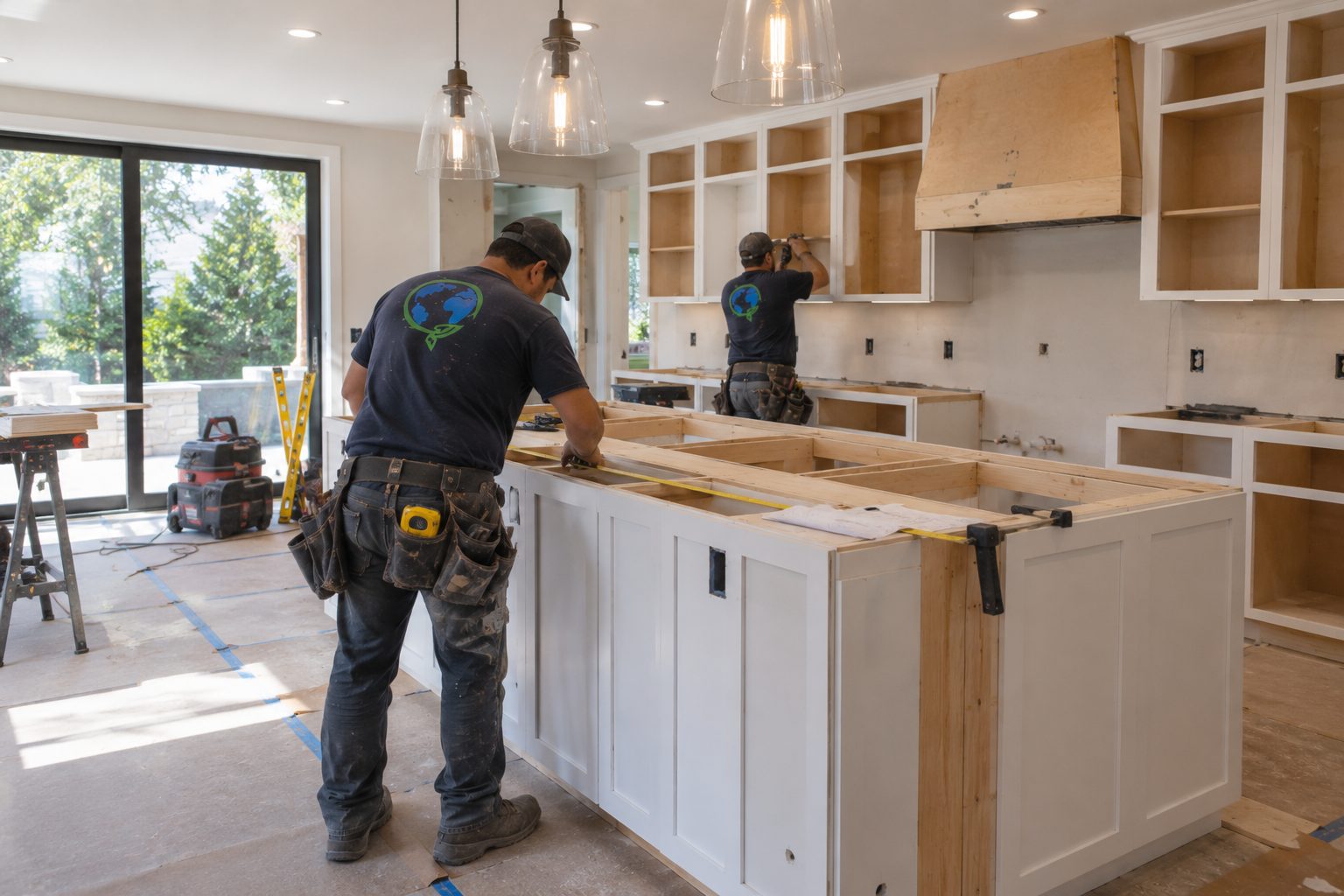
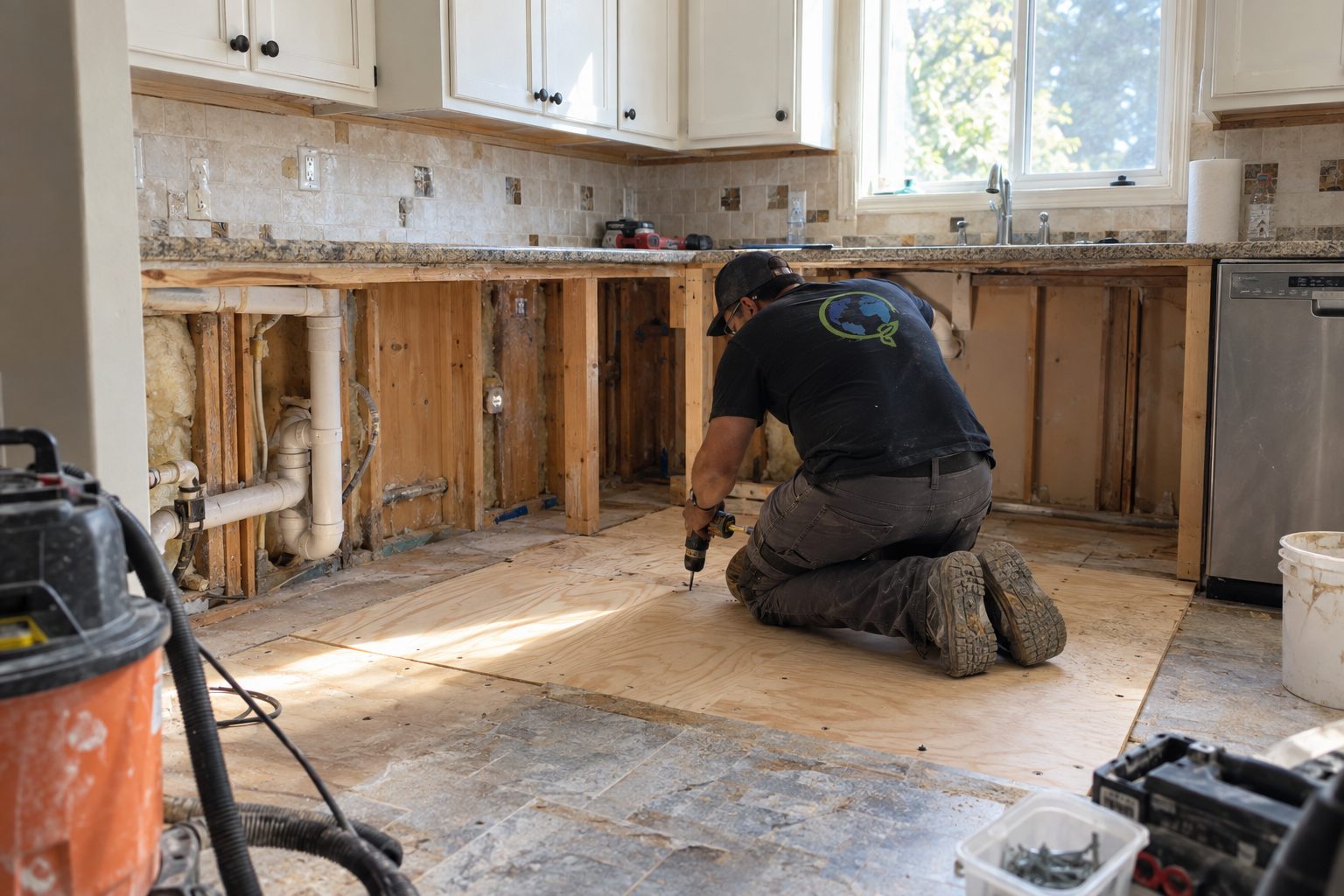
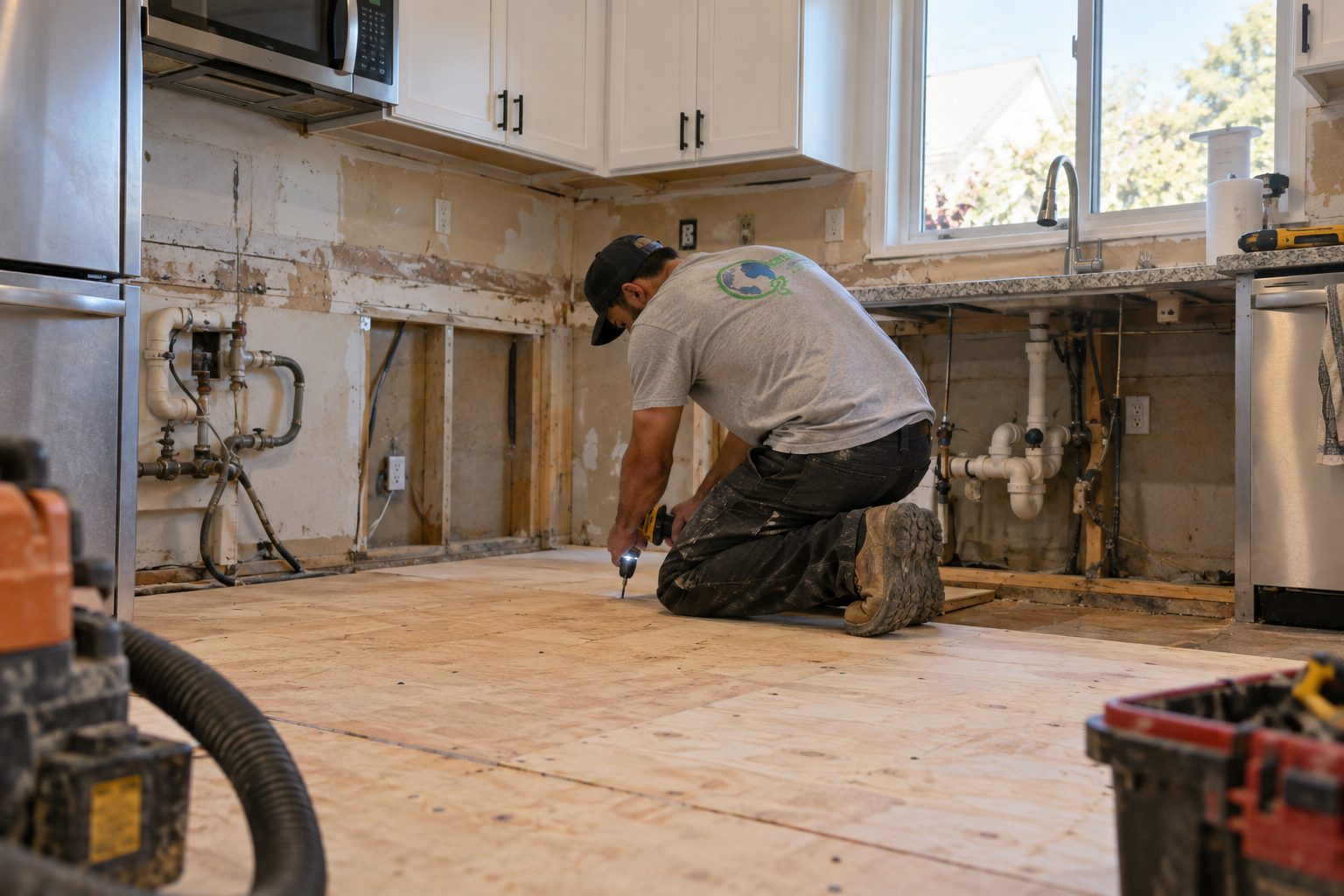
Images illustrate reconstruction work and building conditions; they are not before-and-after records of a specific property.