THE SHORT ANSWER
A fire reconstruction schedule depends on the damage, approved scope, required permits, material availability, trade sequencing and inspections. Ask for a milestone plan with assumptions and decision dates, rather than treating a general duration as a promise for your home.
Agree on what 'the project starts' means
The first call, the site visit, the contract date and the first construction day are different milestones. Ask which one a proposed duration uses.
A contractor may be ready to prepare an estimate before the cleanup handoff is complete. Construction may still depend on a design decision, permit, material order or access condition. A schedule that does not show those dependencies can sound much firmer than it is.
Ask for two things: the next step that can happen now, and the condition that releases the next major phase. That gives you something concrete to follow while earlier decisions are being resolved.
Use a milestone map, not a countdown
This is a planning framework, not a fixed sequence for every property. Ask the project manager to adapt it to your scope and show where work can proceed in parallel.
| Milestone | What to clarify before it is promised |
|---|---|
| Assessment and repair scope | What areas remain inaccessible or need another specialist's findings? |
| Plans and permits | What must be submitted, who submits it and what review is required? |
| Procurement | Which selections are approved and which delivery dates are confirmed? |
| Structure and building systems | Which trades must finish before the next trade can work? |
| Inspections and closing walls | What must be accepted before work is concealed? |
| Finishes and handover | What remains after paint, flooring and cabinets are installed? |
Keep permit time visible in the schedule
Ask which building department has jurisdiction over the address. Within the City of Los Angeles, LADBS publishes information on plan check and permits. Other cities and unincorporated areas have their own processes.
Request a list of the submissions and inspections that apply to your job, with the person responsible for each. Ask when an application is expected to be submitted and how you will hear about corrections. A promised construction date should not quietly assume an approval that has not been received.
When a correction is requested, ask what changed, who is responding and which upcoming work is affected. You need the impact on the plan, not just the fact that the project is in review.
Further reading: LADBS: Plan check and permits
Your selections can become construction dependencies
Some decisions can wait. Others affect dimensions, rough work or an order with a long lead time. Ask for a selection schedule early so you know which is which.
Cabinet layout, plumbing fixtures, flooring and specialty doors are examples to discuss. The relevant choices depend on your scope. Ask for the last practical decision date, the approved specification and the consequence of changing it later.
If a product becomes unavailable, compare alternatives before the crew reaches that part of the job. A substitute can affect appearance, installation details or cost. Keep the approval with the scope rather than relying on a text message that only one person has seen.
Ask for an update that answers four questions
A few dated photos can make that update easier to understand. They should show the work being discussed, not simply prove that someone visited the property.
If progress stalls, ask which dependency is holding up the next activity. More people onsite will not resolve a missing approval or a product that has not arrived. A useful update identifies the issue and the action being taken.
- What was completed since the last update?
- What is scheduled next, and what does it depend on?
- What decision or approval is needed from me, and by when?
- Has a change affected the price, a milestone or the expected handover?
Keep move-back planning separate from a construction target
Ask what needs to be complete before the home, or a specific part of it, can be occupied. Utilities, safe access, local requirements and the condition of the work area all matter. The date cabinets arrive is not the same as the date the home is ready.
If an insurance claim includes temporary living arrangements, confirm the applicable coverage and documentation requirements with your insurer. Keep receipts and written communications. Do not assume a contractor's revised date automatically extends a benefit.
California's Department of Insurance provides recovery and claims guidance. Use it to prepare questions for your insurer while the contractor explains the construction side.
Further reading: California Department of Insurance: Claims and loss management
Plan the final walkthrough before the final week
Ask how unfinished details will be recorded and who will confirm they are complete. Include finish touch-ups, operation of installed items, cleanup and the documents you should receive for the work in your scope.
A written punch list gives both sides a shared record. Ask for the next date for each remaining item rather than leaving with an open-ended promise to return.
Green Planet's reconstruction process includes a dedicated project manager and a final walkthrough. When requesting your estimate, tell us which household deadlines matter so the conversation starts with both the repair needs and your day-to-day constraints.
GREEN PLANET / THE WORK UP CLOSE
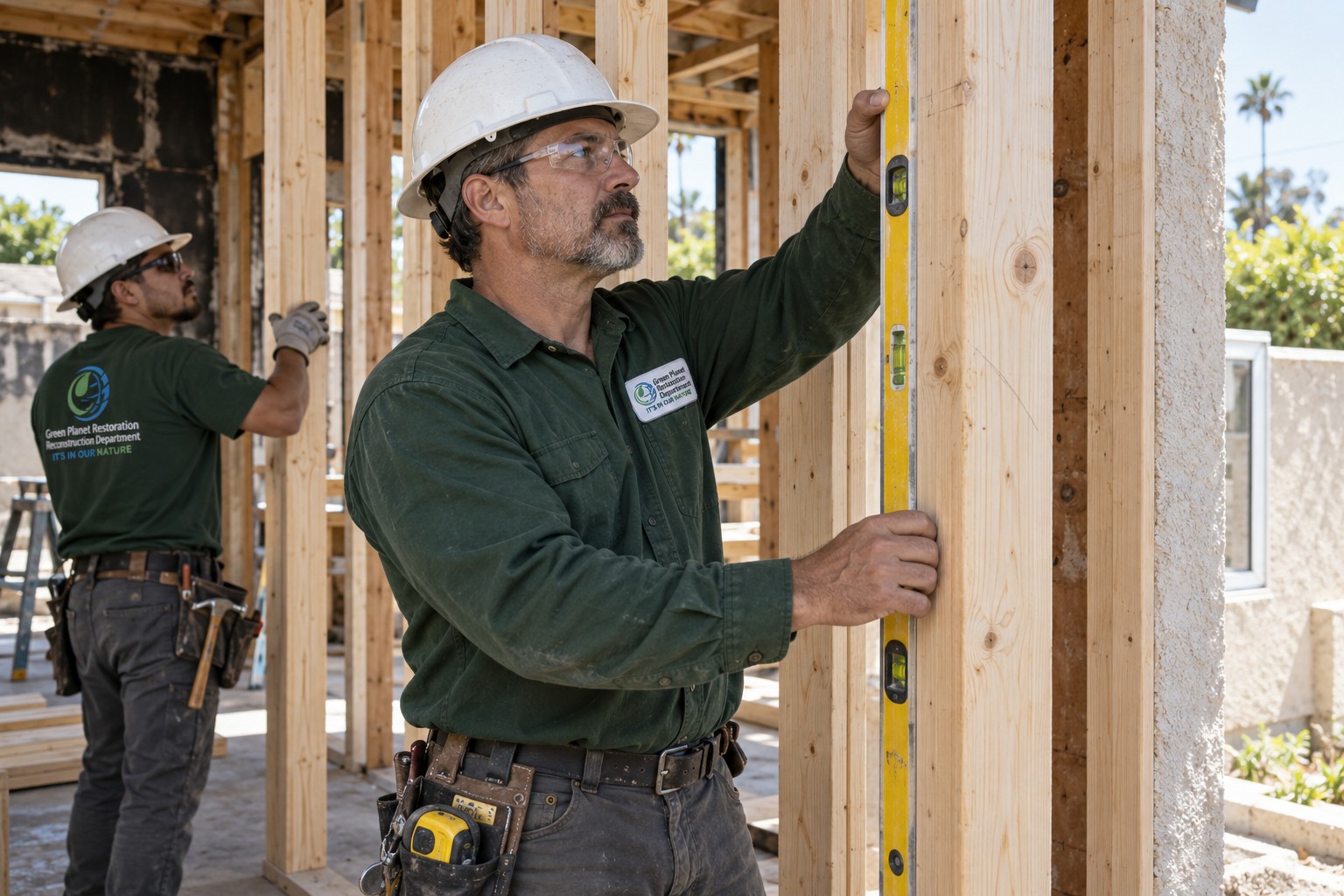
A closer look at the rebuild.

BEFORE YOU MOVE FORWARD
Common questions
Can a contractor give me an exact completion date on the first call?
A first call usually leaves important conditions unknown. Ask for an initial planning range with assumptions, then a project schedule as the scope, approvals and material requirements become clearer.
What can I do to avoid preventable delays?
Provide the available reports, arrange access, answer selection questions by the agreed dates and keep approvals in one place. Ask early if a decision is unclear.
What if additional damage changes the timeline?
Request the finding, proposed repair, price effect and schedule effect together. Ask which work can still proceed while that change is resolved.
TAKE THIS TO YOUR NEXT CONVERSATION
A useful schedule tells you what happens next, what it depends on and when you need to make a decision.
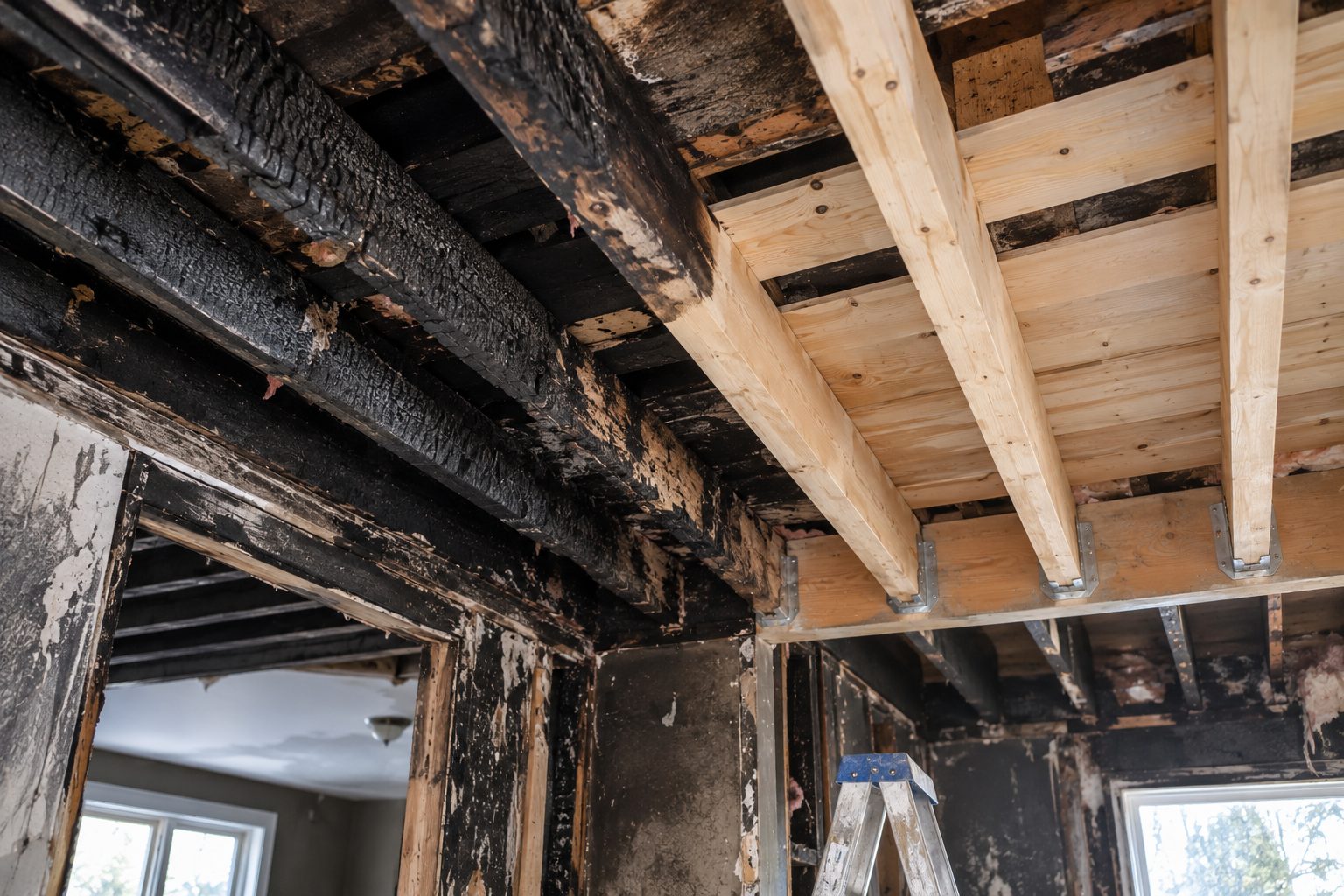
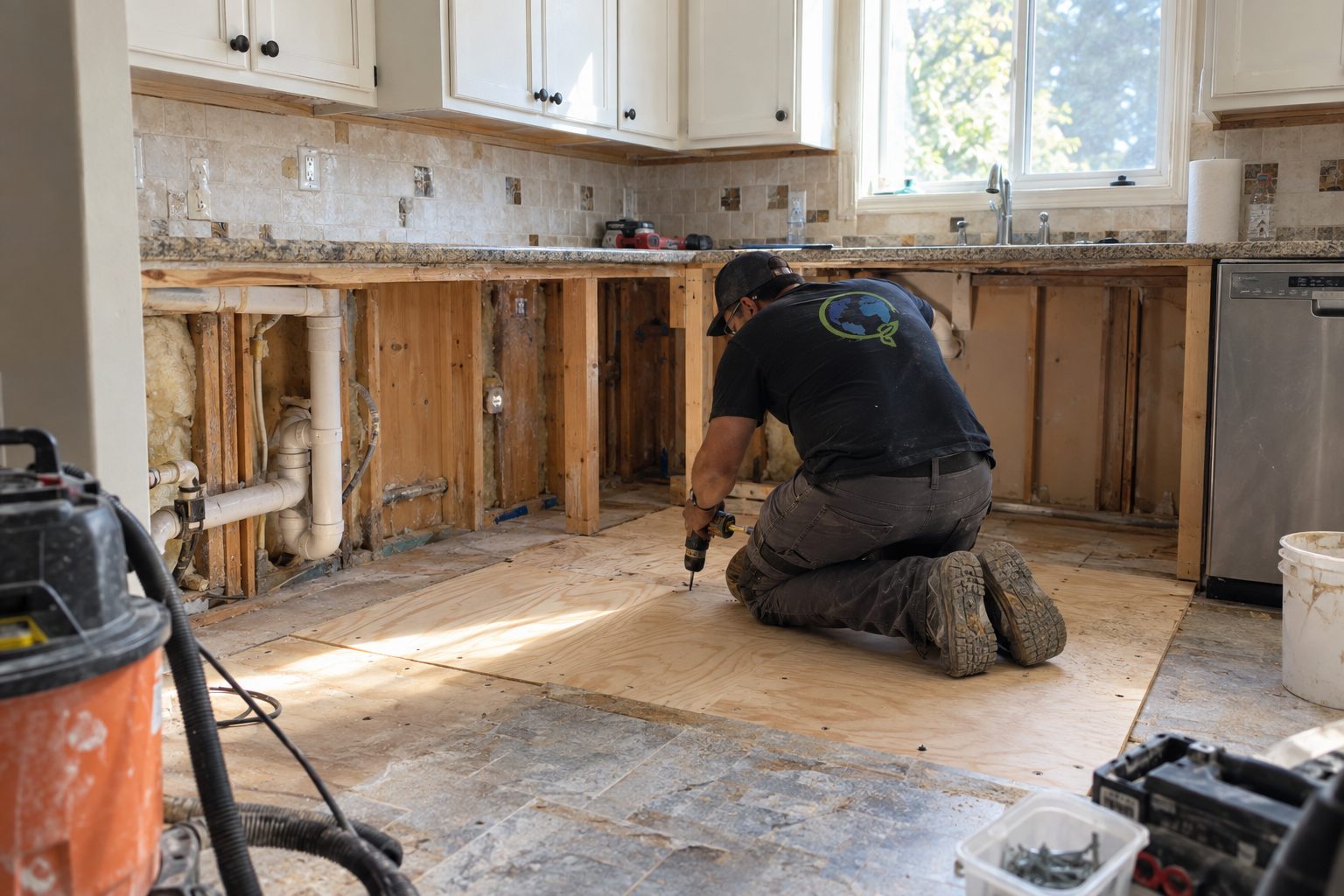
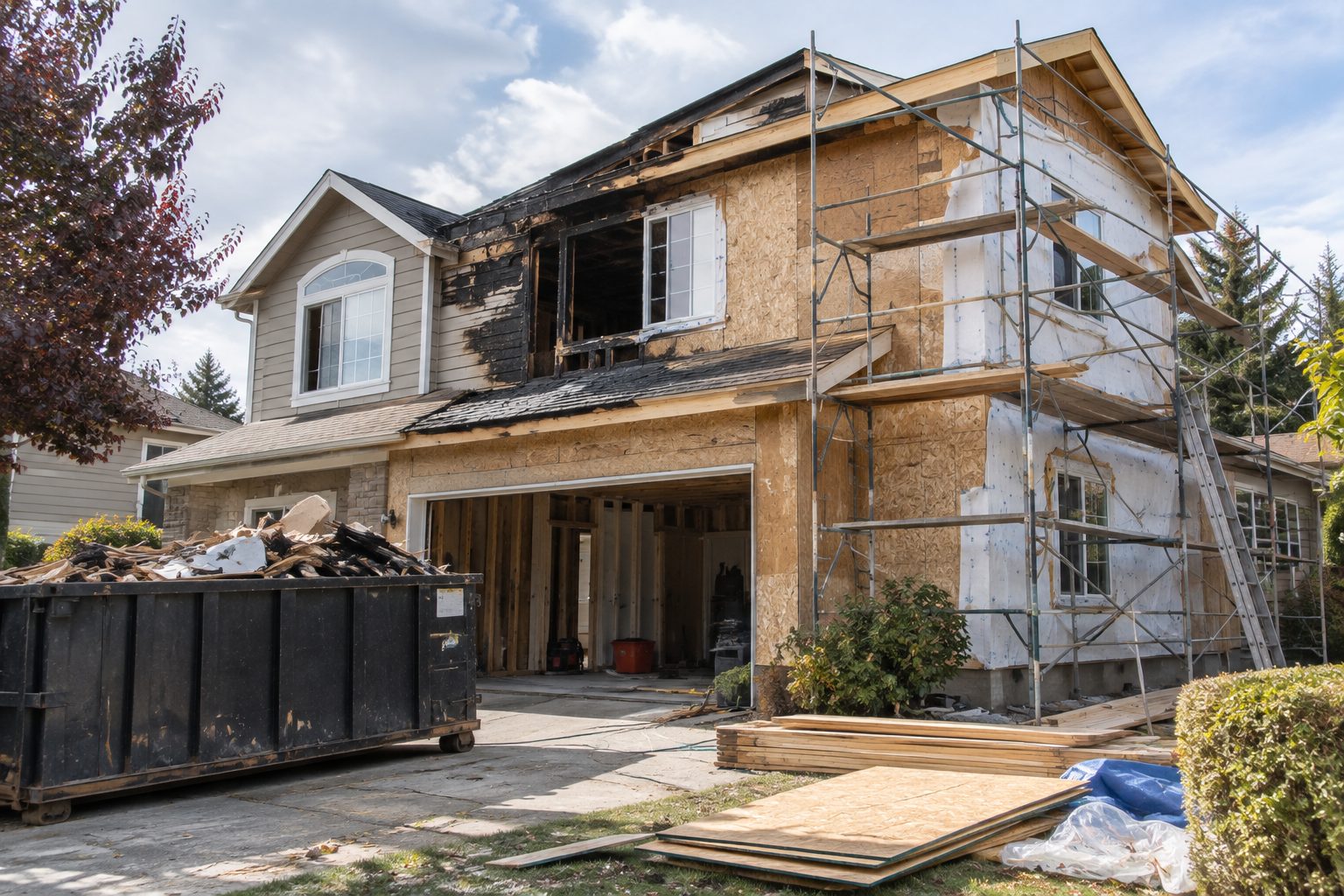
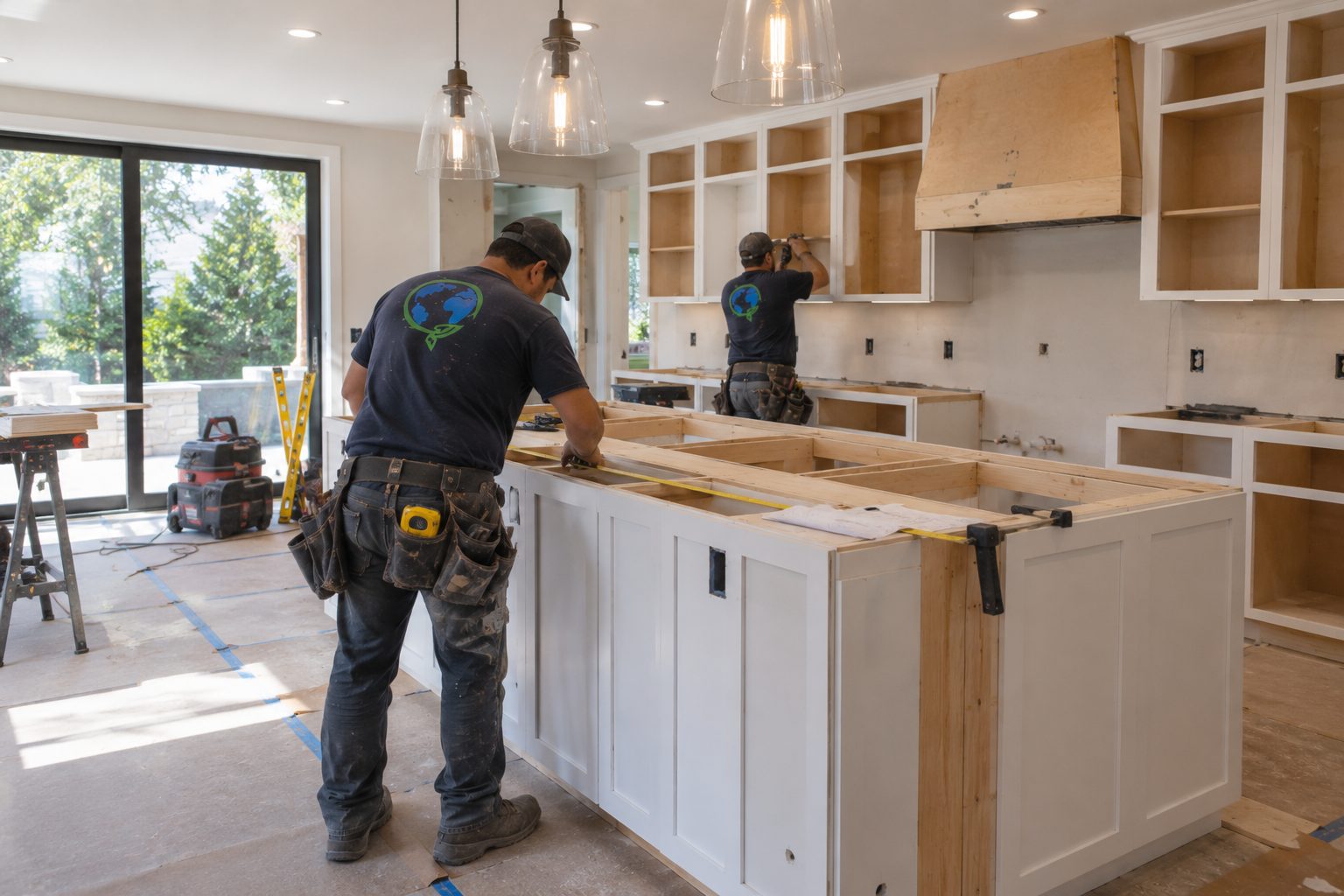
Images illustrate reconstruction work and building conditions; they are not before-and-after records of a specific property.